Daily Readings | November 12, 2026
Today's Readings
- Epistle: ST. PAUL’S SECOND LETTER TO THE CORINTHIANS 9:6–11
- Gospel: MATTHEW 5:14–19
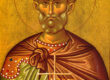
- Saint of the Day: SAINT JOHN THE MERCIFUL, PATRIARCH OF ALEXANDRIA
- Fast: NO FAST
Epistle of the Day
Brethren, he who sows sparingly will also reap sparingly, and he who sows bountifully will also reap bountifully. Each one must do as he has made up his mind, not reluctantly or under compulsion, for God loves a cheerful giver. And God is able to provide you with every blessing in abundance, so that you may always have enough of everything and may provide in abundance for every good work. As it is written, “He scatters abroad, he gives to the poor; his righteousness endures for ever.” He who supplies seed to the sower and bread for food will supply and multiply your resources and increase the harvest of your righteousness. You will be enriched in every way for great generosity, which through us will produce thanksgiving to God.
Gospel of the Day
MATTHEW 5:14–19
The Lord said to his disciples, “You are the light of the world. A city set on a hill cannot be hid. Nor do men light a lamp and put it under a bushel, but on a stand, and it gives light to all in the house. Let your light so shine before men, that they may see your good works and give glory to your Father who is in heaven. Think not that I have come to abolish the law and the prophets; I have come not to abolish them but to fulfill them. For truly, I say to you, till heaven and earth pass away, not an iota, not a dot, will pass from the law until all is accomplished. Whoever then relaxes one of the least of these commandments and teaches men so, shall be called least in the kingdom of heaven; but he who does them and teaches them shall be called great in the kingdom of heaven.”
Gospel Reflection
In this Gospel, Jesus teaches His disciples that they are called to be the light of the world. Just as a lamp is placed where it can brighten an entire room, Christians are called to share God’s love and goodness through their words and actions. Jesus reminds us that our faith should not remain hidden, but should be reflected in the way we treat others. Through kindness, compassion, humility, and generosity, we can become examples of Christ’s love and encourage others to draw closer to Him.
Jesus also explains that He did not come to abolish God’s Law, but to fulfill it. He teaches that God’s commandments remain important and that we should not only follow them ourselves, but also encourage others to live according to His teachings. This reminds us that faith is more than simply knowing what is right; it requires us to put God’s Word into practice. By living with honesty, patience, forgiveness, and obedience, we show our love for God and our desire to follow His will.
The main message of this Gospel is that our lives should reflect the light of Christ so that others may see God’s goodness through us. Jesus calls us to be faithful examples in our families, communities, and everyday interactions. Even small acts of kindness, forgiveness, and generosity can make a meaningful difference in someone’s life. When we live according to God’s commandments and serve others with sincere love, we glorify Him and help spread His light throughout the world.
Saint of the Day
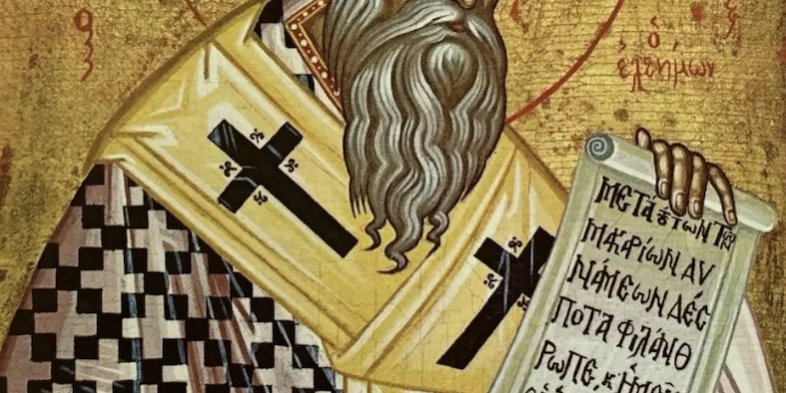
SAINT JOHN THE MERCIFUL, PATRIARCH OF ALEXANDRIA
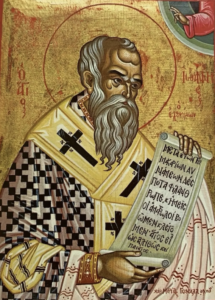 Saint John the Merciful was born in Cyprus during the sixth century into a respected family. At his parents’ wishes, he married and had children. However, after the deaths of his wife and children, he dedicated his life entirely to God and became a monk. Through prayer, fasting, humility, and his great love for others, he became known for his holiness. His virtuous life earned the respect of many, including Emperor Heraclius, who, together with the clergy, asked him to become Patriarch of Alexandria.
As Patriarch, Saint John worked to protect the Orthodox faith and guide his people toward a life pleasing to God. However, his greatest concern was caring for the poor, the sick, and those who were suffering. At the beginning of his service, he ordered a list to be made of everyone in Alexandria who needed assistance. More than seven thousand people were identified, and he arranged for them to receive daily support from the Church’s treasury.
Twice a week, on Wednesdays and Fridays, Saint John sat outside the cathedral to welcome anyone seeking help. He listened to their struggles, settled disagreements, defended those who had been treated unfairly, and distributed charity. He also visited the sick several times each week. When the Persians attacked Jerusalem and took many people captive, Saint John used a large portion of the Church’s treasury to help ransom the prisoners.
The saint was known for his extraordinary generosity and willingness to help without judging others. Once, a beggar approached him asking for money. After receiving six silver coins, the man changed his clothes and returned twice more. Rather than becoming angry, Saint John ordered that he be given even more, saying, “Perhaps he is Christ putting me to the test.” He believed that every person in need deserved compassion and that helping the poor was a way of serving Christ Himself.
Saint John also demonstrated remarkable humility, forgiveness, and gentleness. On one occasion, while celebrating the Divine Liturgy, he remembered a clergyman with whom he had a disagreement. Recalling Christ’s teaching about reconciliation, he left the altar, approached the man, and knelt before him to ask forgiveness. The clergyman was deeply moved, repented, and eventually returned to faithful service in the Church.
Another time, his nephew George asked him to punish a man who had insulted him. Saint John promised to respond in a way that would astonish Alexandria. Instead of seeking revenge, he forgave the offender and excused him from paying rent on his church-owned home for an entire year. Through this act, Saint John taught that true strength is found in mercy and forgiveness rather than anger or retaliation.
Despite his important position, Saint John remained mindful of death and the importance of preparing his soul for eternity. He even ordered a coffin to be made for himself but instructed the craftsmen to leave it unfinished as a reminder that his earthly life would eventually end. While traveling toward Constantinople, he received a vision announcing that the King of Kings was calling him. He returned to his homeland of Cyprus, where he peacefully fell asleep in the Lord between 616 and 620.
Saint John’s life reminds us that true Christian love is demonstrated through generosity, humility, forgiveness, and compassion for those in need. His example encourages us to recognize Christ in others and to use whatever blessings we have received to help those around us.